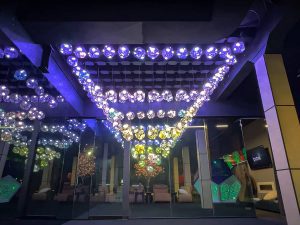
How Kinetic Installations Create Destination Value in American Developments
In the United States, developers are increasingly expected to deliver more than functional real estate. A project may include strong architecture, premium materials, a carefully curated tenant mix, and efficient circulation, yet still fail to become a place people actively choose to visit. This gap between built quality and public magnetism is where destination value begins to matter. It is not simply a question of foot traffic or visual appeal. It is about whether a development acquires enough identity, atmosphere, and repeat engagement to function as a place with its own gravity.
Kinetic installations have become increasingly relevant within this equation. In American developments, they are no longer treated only as artworks or decorative focal points. When integrated properly, they can influence how a place is perceived, how long people remain within it, how often they return, and how strongly it differentiates itself within a competitive urban and commercial landscape. They create more than visual interest. They introduce movement, rhythm, anticipation, and memory into environments that must compete not only for attention, but for repeated public relevance.
This is especially important in the current US development context, where many projects must justify themselves as destinations rather than as collections of rentable spaces. Mixed-use districts, hospitality-led developments, lifestyle retail centers, waterfront redevelopments, office campuses, airports, and civic-facing commercial projects increasingly rely on destination logic to generate long-term value. In that context, kinetic installations can perform as spatial and experiential infrastructure. They can help make a place feel active, legible, and worth revisiting.
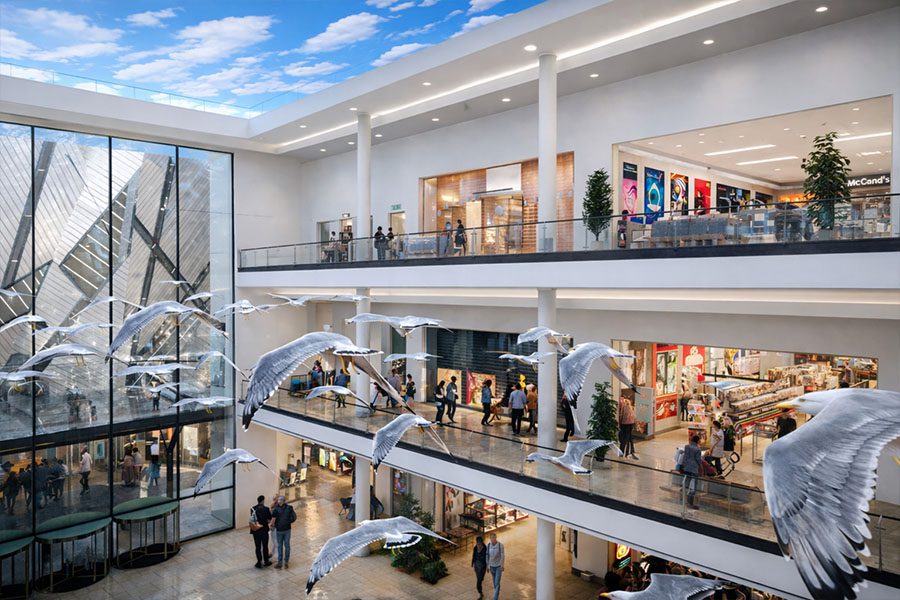
Destination value is not the same as placemaking
In development discourse, placemaking and destination value are often used as if they were interchangeable, but they are not the same thing. Placemaking is the broader process of shaping a public environment so that it feels coherent, attractive, and usable. Destination value begins later, when that environment develops enough pull, memory, and repeat relevance to become a place people intentionally choose over alternatives.
A development may be well designed, walkable, landscaped, and socially active, yet still not function as a destination in the stronger sense. It may support public life without becoming a magnetic point within the city or region. Destination value depends on whether the place accumulates enough distinctiveness and experiential gravity to remain present in public imagination after the first visit.
This is where kinetic installations can play a particularly strategic role. They are not substitutes for placemaking, but they can intensify it into something more durable and more memorable. They help a place move from being simply pleasant or well-composed to being identifiable, discussable, and repeatedly sought out. In that sense, they do not create destination value alone, but they can accelerate the moment when placemaking begins to convert into cultural and commercial magnetism.
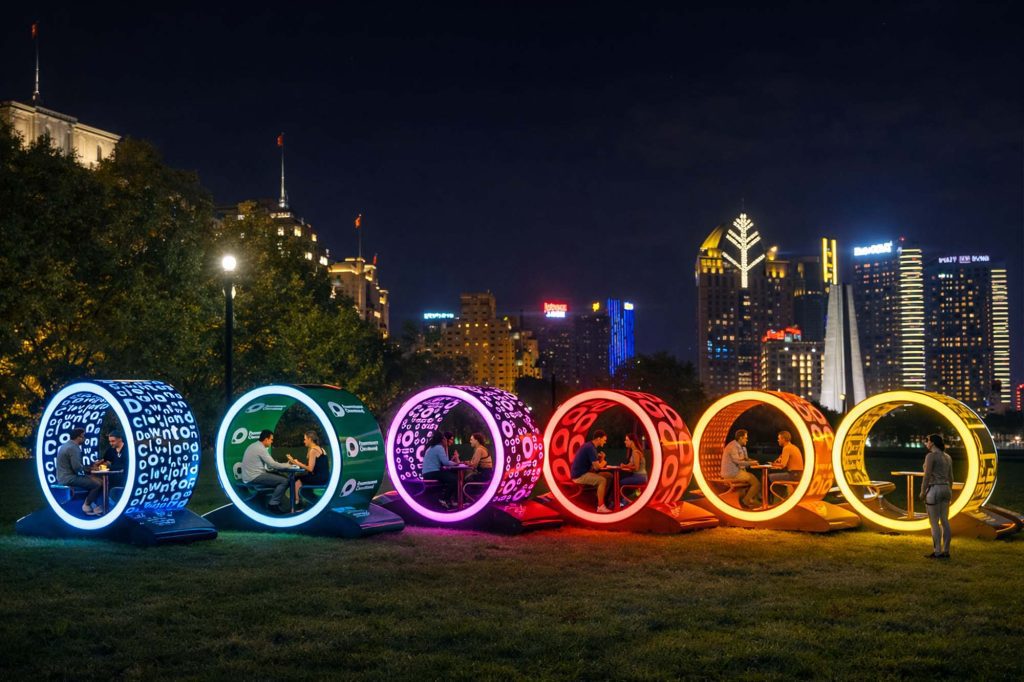
Destination value is not the same as visual impact
One of the most common misunderstandings in commercial development is to assume that a memorable object automatically creates a destination. It does not. A striking installation may generate photography, social media content, or initial curiosity, but destination value requires something more durable. It depends on whether the project creates enough experiential pull to sustain public return over time.
Destination value is built through layered conditions. A place must first become recognizable. Then it must become desirable to occupy. Finally, it must remain compelling after the first encounter. This is why so many American developments struggle to move beyond a launch-phase burst of attention. They may succeed in attracting an audience once, but they fail to create the kind of environmental magnetism that turns first-time visibility into repeat engagement.
Kinetic installations can help bridge that gap because they do not work as static icons alone. They change with time, light, weather, viewpoint, and movement. This means the environment around them remains more active in perception. A plaza with a kinetic centerpiece is not experienced in the same way across every visit. A lobby with a moving installation does not feel visually exhausted after the first impression. A waterfront promenade with a kinetic intervention can acquire a stronger sense of atmosphere across different moments of day and season.
This temporal dimension is one of the clearest distinctions between an installation that is simply photogenic and one that contributes to destination value. A destination must reward return. Kinetic works are especially effective when they make that return feel justified.
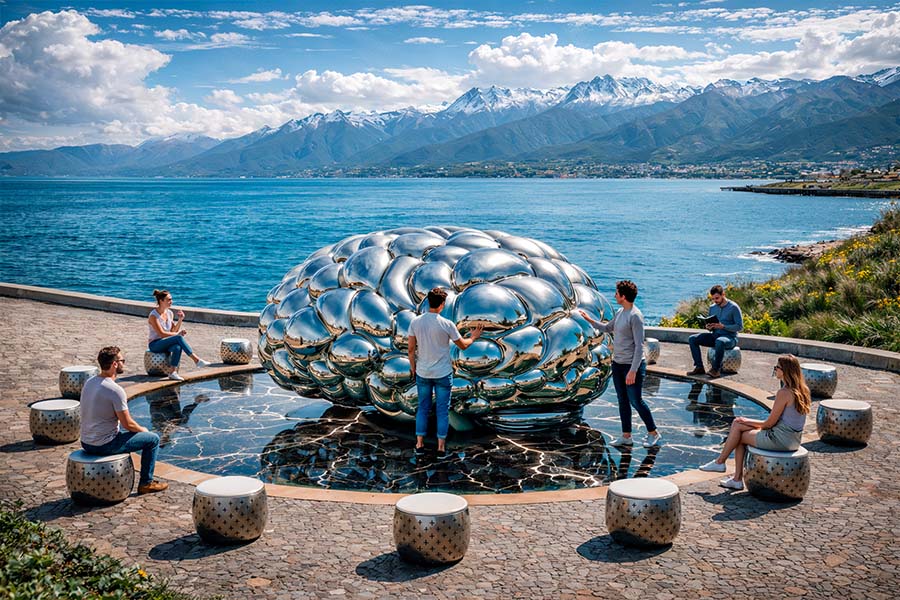
Why American developments increasingly depend on destination logic
In many US markets, conventional real estate advantages are no longer enough to ensure public distinction. High-quality finishes, prominent architects, curated landscaping, and strong tenant brands remain important, but they do not automatically create a memorable development. As a result, developers increasingly rely on strategies that can intensify identity and extend the public life of a project beyond its core commercial function.
This is particularly visible in phased mixed-use districts, lifestyle destinations, hospitality-led public realms, Class A repositionings, and large waterfront redevelopment projects where the site must perform socially as well as financially. A project may contain office, residential, dining, retail, and cultural elements, but if the public realm does not generate attraction in its own right, the development risks functioning only as a convenient aggregation of uses rather than as a place with real urban presence.
Destination logic changes the ambition of the project. It shifts the question from what the development contains to why people choose to come there, stay there, and return there. It also changes how public-facing elements are valued. A kinetic installation is no longer judged only by whether it enriches the space aesthetically. It is judged by whether it helps the place accumulate magnetic force.
In American developments, this is especially important because many projects operate in highly competitive environments where perception moves quickly. One district competes with another. One hospitality-led precinct competes with another. Office campuses compete through employee experience and public-facing distinctiveness. Retail destinations compete not only through tenant mix, but through atmosphere and memorability. In that setting, the destination value is not ornamental. It is part of the project’s long-term commercial resilience.
Kinetic installations and the structure of public attention
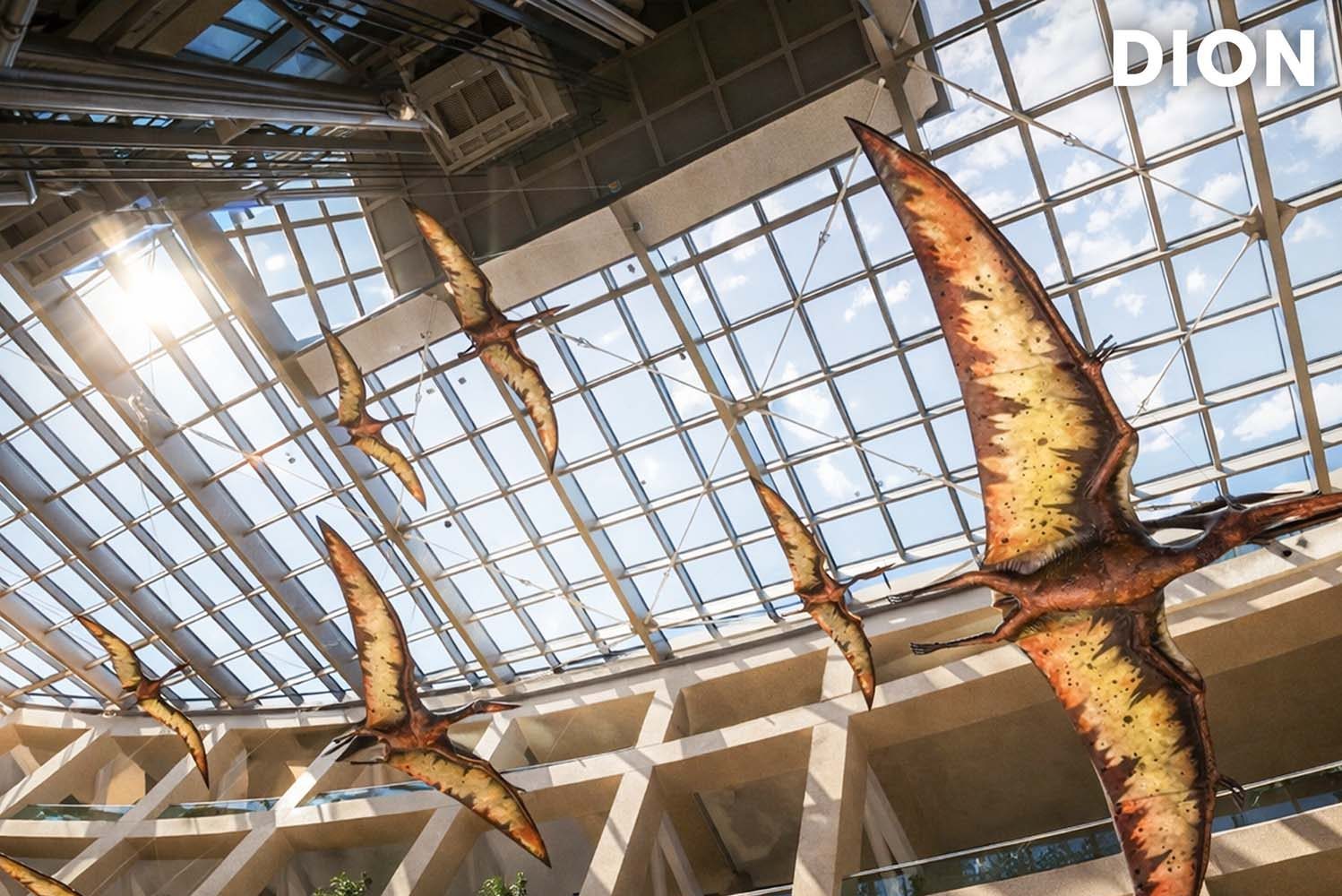
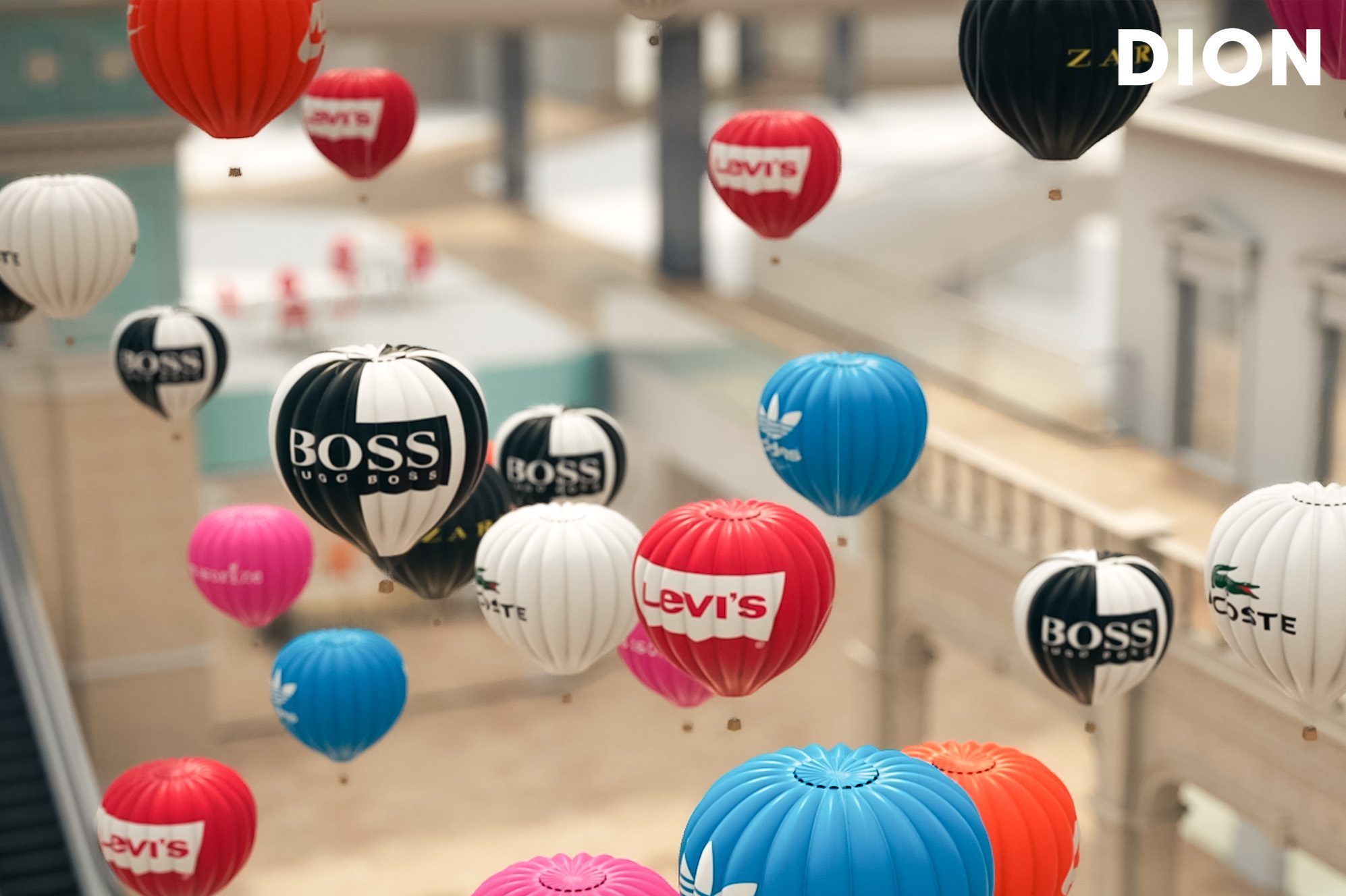
The most direct way kinetic installations create destination value is by influencing public attention spatially and temporally. In large environments, people are drawn not only to scale, but to change. Movement signals significance. It interrupts visual sameness and introduces a hierarchy of noticeability into the public field.
This matters especially in American developments where many environments are highly polished yet visually uniform. Open plazas, retail promenades, atria, courtyards, and waterfront edges may be beautifully detailed, but without a strong focal condition they often remain passive. People pass through them rather than toward them. Kinetic installations alter that behavior by creating a point of attraction that holds the eye longer and anchors public attention more decisively.
What makes this valuable is not only the moment of attraction itself, but what it does to surrounding space. When people pause, gather, photograph, observe, or orient themselves around an installation, the project’s circulation pattern changes. Areas that might otherwise function as passage space begin to acquire social density and dwell value. The public realm becomes more than connective tissue between tenants or buildings. It starts to behave as a destination field in its own right.
This effect is strongest when the installation is not simply inserted into the development, but positioned where it can reorganize how attention is distributed across the site. A kinetic piece in a central court, forecourt, atrium, terrace, or arrival plaza can create a stronger center of gravity than static design features alone. It can intensify a node rather than a corridor, stabilize a view corridor rather than decorate its edge, and turn a nominal gathering area into a place where visitors actually choose to remain.
Repeat engagement is where real destination value is built
First impressions are valuable, but destination value is built through repetition. A place becomes a destination not because people noticed it once, but because it remains active in public memory and justifies return. This is where kinetic installations are especially effective, because they can sustain engagement beyond novelty.
In many developments, visual features are consumed quickly. A visitor photographs the sculpture, registers the lobby, or notices the plaza once, and the experience flattens on the next visit. Kinetic works behave differently. Because they change in motion, lighting, and atmosphere, they continue to offer variation. Even subtle movement can shift the emotional character of a space enough to keep it perceptually alive.
This is particularly important in developments that rely on repeat visitation as part of their commercial model. A hospitality destination, lifestyle center, retail district, or mixed-use environment gains more value when the public realm supports ongoing rediscovery rather than a one-time impression. In this context, kinetic installations help create what many developments seek but struggle to build: reasons to come back that are spatial rather than purely transactional.
They also support another dimension of repeat engagement: social memory. People do not simply return to a place because it contains familiar brands or functions. They return because it holds a memorable atmosphere. The moving installation in the plaza, the animated feature in the atrium, the kinetic landmark visible from the entry bridge or waterfront promenade becomes part of how the place is recalled. That memory supports return more effectively than abstract design quality alone.
Destination value depends on how a place is remembered
Developments often focus intensely on how a place looks in renderings, but destination value depends just as much on how a place is remembered after occupation begins. Memory is one of the most underestimated commercial forces in public-space design. If a development leaves behind only a generic impression of quality, it may perform adequately, but it is less likely to become culturally specific in the minds of visitors.
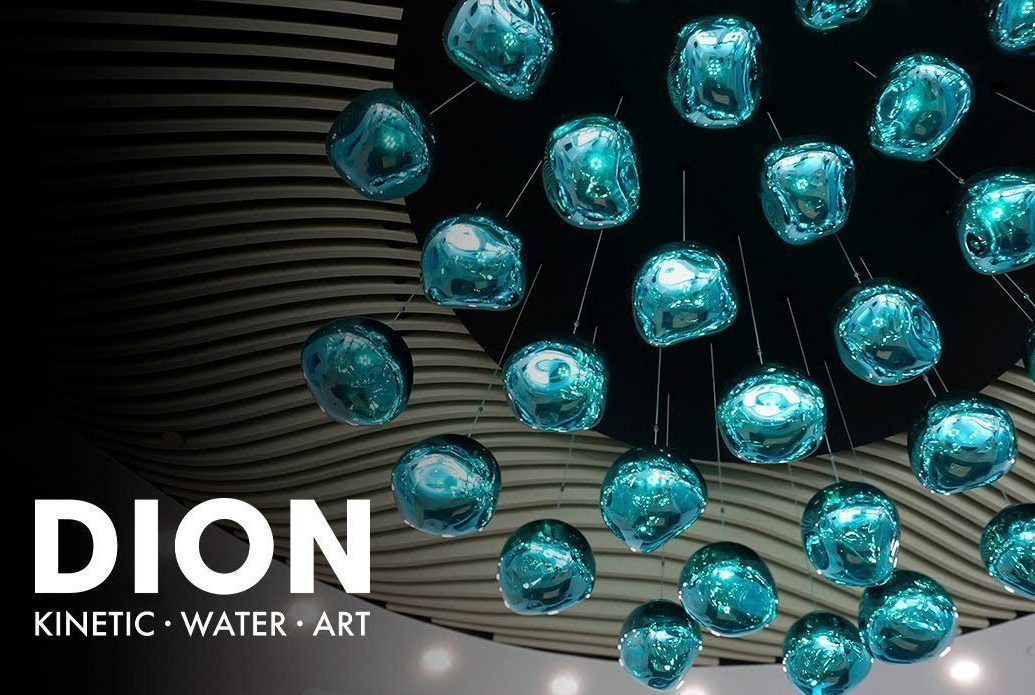
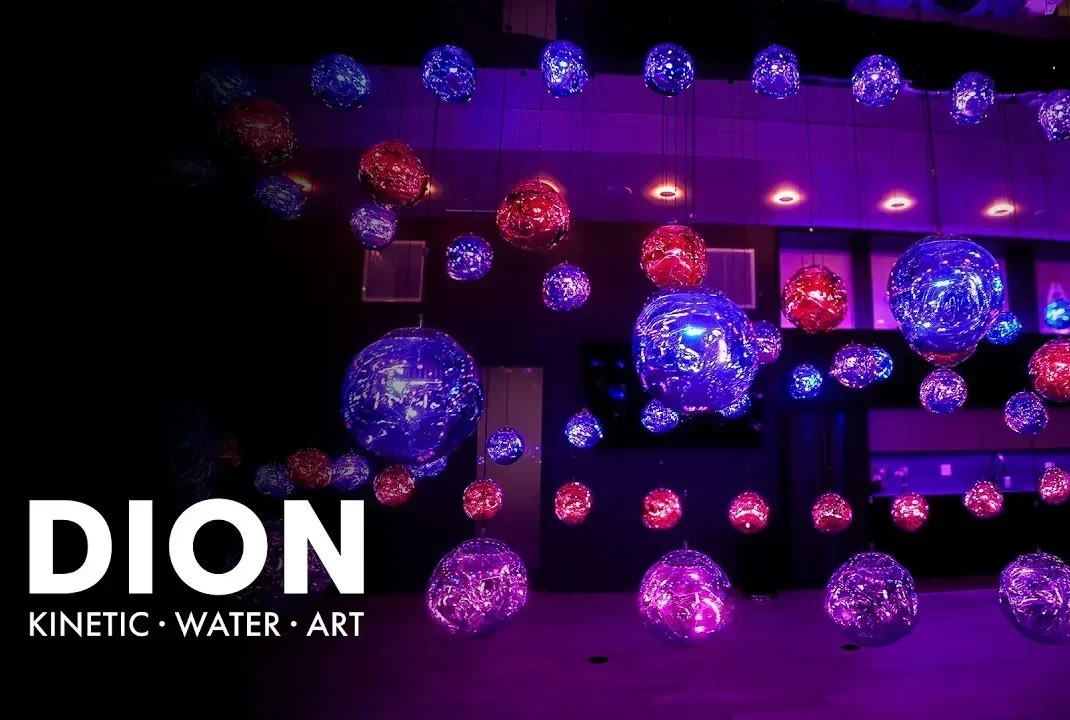
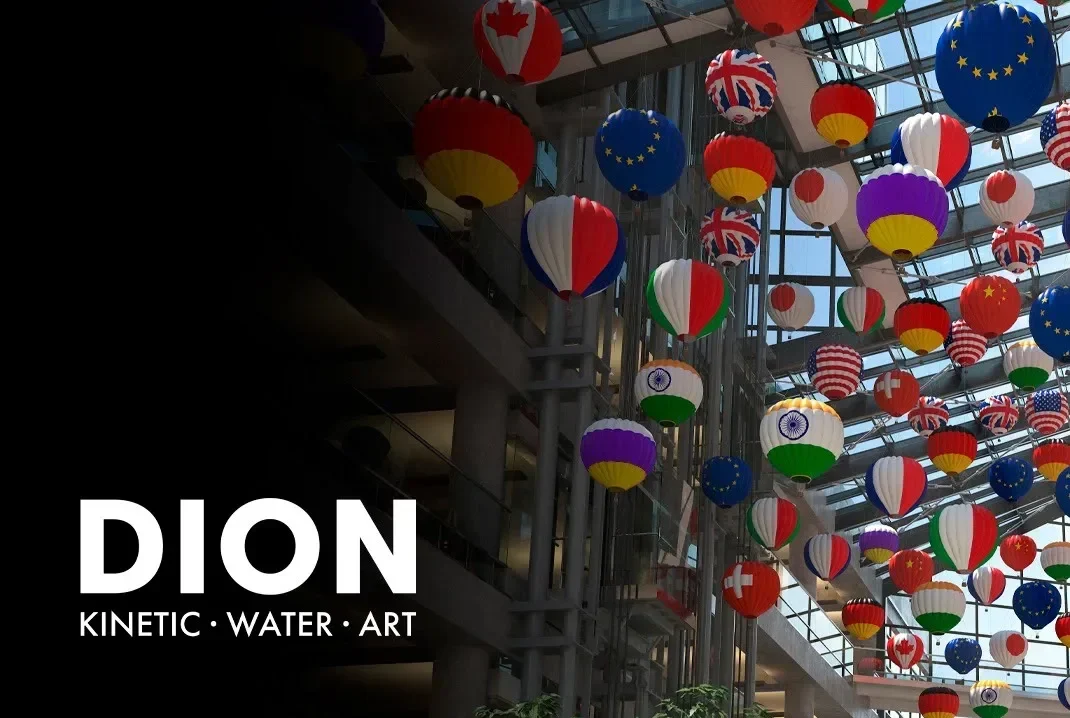
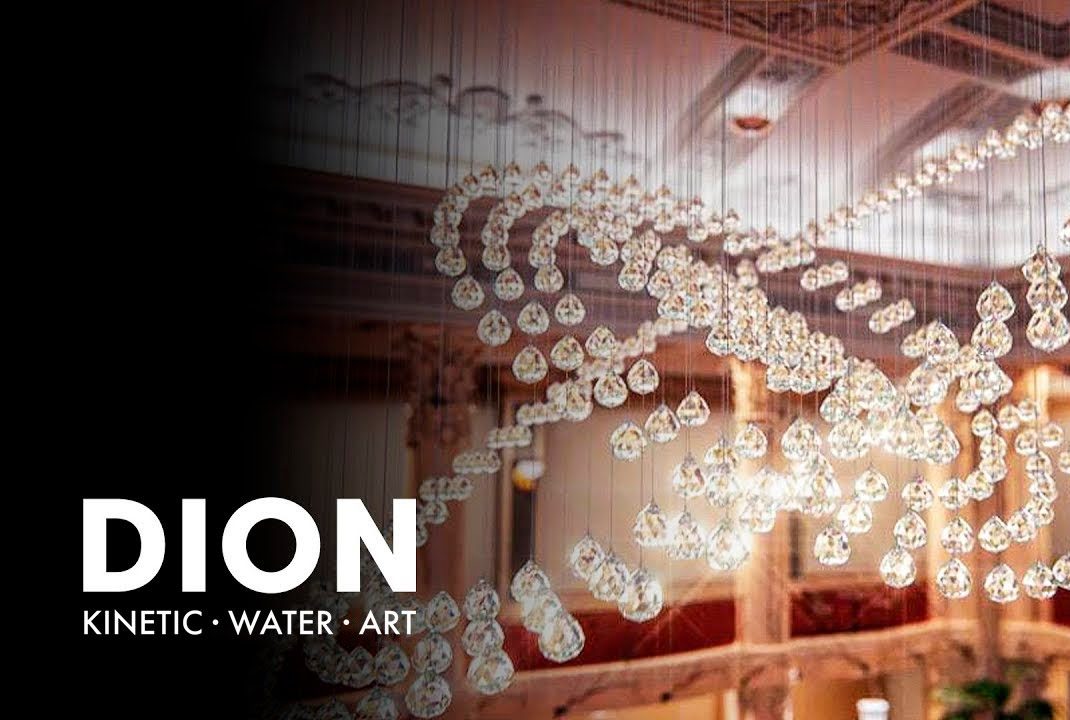
Kinetic installations strengthen memory because they combine image with event. A static object may be recognizable, but a moving one is more likely to be described, shared, and recalled as something that happened within space. That slight shift matters. The place is not remembered only as the development with a sculpture. It becomes the place with the moving canopy of forms, the responsive feature in the lobby, the kinetic centerpiece of the waterfront plaza.
This type of memory is more durable because it is tied to both identity and experience. It also improves the development’s ability to become legible within a crowded urban field. In American cities and suburban commercial environments alike, destination value often depends on whether the project becomes easy to name, describe, and locate in cultural conversation. Kinetic installations can help crystallize that identity.
This is why they often outperform generic public art in destination-driven projects. Their role is not only symbolic. They influence how the development enters public imagination.
What visitor magnetism actually means in development terms
Visitor magnetism is often discussed vaguely, as though it simply means drawing crowds. In reality, its value is more precise. A development with real magnetic force tends to produce longer dwell time, stronger public visibility, more informal gathering, more secondary sharing, and a greater likelihood that visitors experience the public realm as part of the destination rather than merely as access space.
Kinetic installations contribute to this because they create attraction without requiring overt programming at every moment. They can hold attention even in periods when events are not taking place and foot traffic is otherwise uneven. This is particularly useful in developments where the public realm must remain active throughout the day, across weekdays and weekends, or across seasonal changes.
In strategic terms, visitor magnetism matters because it amplifies surrounding value. When a kinetic installation strengthens the pull of a central plaza or atrium, adjacent retail, dining, lounge, and hospitality spaces all benefit from increased exposure. The installation itself may not generate direct revenue, but it can improve the environment in which revenue-generating uses operate.
This is one reason developers in the US increasingly treat public-facing installations not as isolated cultural features, but as components of commercial ecosystem design. Their value lies partly in what they do around themselves.

Kinetic installations are especially effective in destination-led typologies
Not every development relies equally on destination value. Some projects are primarily utilitarian, and their success depends more on efficiency than on public magnetism. But in certain typologies, destination logic is central, and kinetic installations can become especially powerful.
Mixed-use districts benefit because they depend on social density and repeated public engagement across multiple uses. A kinetic landmark can give the district a recognizable center and reinforce the identity of the public realm between buildings. Hospitality-led developments benefit because guest memory and atmosphere are core to the commercial proposition. A moving installation can sharpen arrival and create a stronger experiential signature. Lifestyle retail environments benefit because visitor attention and dwell time are directly linked to surrounding commercial performance. Office campuses benefit because they increasingly compete through workplace culture and public-facing distinctiveness rather than through pure functionality alone.
Waterfront redevelopments and civic-facing commercial districts are particularly instructive in the US context. These projects often begin with strong land value and strong visual exposure, but they still need a public reason to be chosen repeatedly. A kinetic installation can help transform a scenic edge or open public field into a place with more concentrated identity and more reliable social gravity.
Even airports and transportation hubs can derive destination value from kinetic installations when those works turn otherwise neutral circulation space into environments with stronger identity and a more memorable passenger experience. In each case, the installation contributes not only beauty, but concentration of meaning.
At DION ART STUDIO, this is where kinetic work becomes most strategically relevant. The question is not simply how to place an artwork in a development. It is how to create an installation that intensifies the public life of the project and helps the place become more compelling over time.
Why permanent works often outperform programming alone
Temporary programming is useful in generating launch energy and periodic attention, but destination value tends to deepen when a place has a permanent experiential anchor. Programming creates recurrence through change. A permanent kinetic installation creates recurrence through continuity. Both matter, but they perform differently.
In many American developments, temporary events are used to create public life before a deeper place identity has formed. This can be effective in the short term. But if the site relies only on programming for its magnetism, it risks feeling perpetually promotional. The public comes because something is happening, not because the place itself has become compelling.
A permanent kinetic installation changes that relationship. It helps the development accumulate a stable public identity around which programming can operate. It gives the site a center that remains legible even between events. It signals that the destination has an internal logic, not just an external campaign.
This does not mean every project needs a permanent landmark, or that programming becomes unnecessary. It means that developments seeking long-term destination value often perform better when they combine periodic activation with at least one enduring spatial feature capable of carrying memory and identity on its own.
Why integration matters more than spectacle
Kinetic installations create destination value only when they are integrated into the project with discipline. Spectacle alone is not enough. A dramatic object may generate attention, but if it is poorly positioned, tonally disconnected, or operationally burdensome, its long-term value weakens quickly.
The strongest installations are those that align with circulation, sightlines, architecture, landscape, and the emotional logic of the public realm. They should not simply look impressive in isolation. They should improve how the development is entered, understood, and inhabited. In some cases, that means becoming the center of a plaza. In others, it means reinforcing a threshold, anchoring an atrium, stabilizing a public node, or extending the identity of a site into an outdoor promenade or waterfront edge.
This is why early planning matters. If the installation is treated as a late-stage visual enhancement, it may still be striking, but it is less likely to shape destination logic at a deep level. When integrated from the beginning, it can become part of the development’s public strategy rather than an object added to it.
Kinetic installations create destination value in American developments because they do more than enrich the visual character of a project. They help a place become recognizable, memorable, and worth revisiting. They structure public attention, support repeat engagement, strengthen visitor magnetism, and give developments a stronger experiential center.
For developers, this matters because destination value is increasingly tied to long-term commercial resilience. Projects do not become destinations through design quality alone. They become destinations when public memory, repeat attention, and spatial magnetism begin to accumulate around the place itself. A well-integrated kinetic installation can play a major role in building that accumulation when it is conceived not as decoration, but as part of the destination logic of the development.
Contact Us
Ready to create a destination that attracts and retains attention? Explore our portfolio or contact the DION ART STUDIO team to discuss your project.
Creating destination value through a kinetic installation goes beyond selecting a visually striking object. It becomes a spatial catalyst — organizing public life, guiding movement, and shaping how people experience and remember a place over time.
While static elements provide clarity and permanence, kinetic and interactive installations introduce change through movement, light, and responsive systems, increasing engagement and reinforcing presence within everyday urban rhythms.
At DION ART STUDIO, we design and engineer kinetic and public art installations as part of a project’s spatial and commercial strategy — from concept and integration to fabrication and implementation — ensuring each installation becomes a defining element of the destination.
Destination value refers to a development’s ability to attract visitors, create memorable public experience, support repeat engagement, and function as a place people actively choose to visit rather than simply use.
They increase destination value by creating stronger focal points, sustaining public attention, supporting memory, and making a development feel more dynamic and worth revisiting over time.
They serve different roles. Temporary programming creates short-term momentum, while kinetic installations can create long-term identity and a stable experiential anchor. Many developments benefit from both.
They are especially effective in mixed-use districts, hospitality developments, lifestyle retail centers, office campuses, waterfront redevelopments, airports, and other public-facing projects that depend on strong place identity and repeat visitation.
Ideally during early planning, when the installation can be integrated into the architecture, circulation, public realm strategy, and long-term identity of the development.
Written by

Сo-founder & Creative director of DION ART
Master of Arts in Art Education, Public Art (School of the Art Institute of Chicago, USA)
Share this post