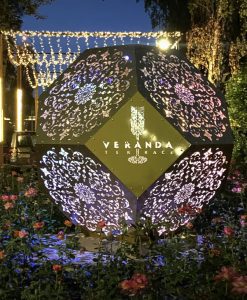
Public art for real estate projects
Large-scale developments are rarely defined by architecture alone. In contemporary cities, the identity of a project often emerges from how buildings, public space and cultural elements interact. Within this context, public art for real estate projects have become an increasingly important part of urban development. Sculptures, kinetic installations and large spatial artworks now play a role in shaping how districts are perceived and experienced.
For developers working on mixed-use districts, residential complexes or commercial centers, art installations are no longer considered decorative additions. Instead, they are planned as integral spatial elements that structure plazas, define entrances and create recognizable destinations within the city. Carefully integrated art installations for real estate projects can anchor large public spaces and strengthen the architectural narrative of a development.

When art is embedded into the spatial design of a project from the earliest stages, it becomes part of the development’s identity. A sculpture positioned within a central plaza or atrium may evolve into a visual reference point that defines how visitors remember the place.
Why developers use public art
Developers increasingly view public art as a strategic design component rather than a purely cultural gesture. Large developments often include expansive public areas—plazas, promenades, retail streets or atriums—that require strong spatial anchors to avoid feeling anonymous.
A carefully positioned urban development sculpture can establish hierarchy within these spaces. It provides a focal point that organizes circulation and creates a sense of orientation. In large projects, this is particularly important. Visitors instinctively navigate toward recognizable objects within the landscape.
Public art also contributes to placemaking. When a development includes a distinctive plaza sculpture or architectural artwork, it becomes easier for visitors to form a mental map of the environment. Instead of a collection of buildings, the project becomes a place with recognizable spatial moments.
For developers, this transformation has practical value. Public art strengthens the perception of quality within a project and signals long-term cultural investment in the site.
How public art increases property value
One of the reasons developers invest in public art is its measurable impact on perception and value. While architecture establishes the physical structure of a development, cultural elements often define how people emotionally connect with it.
Public art contributes to what designers often describe as property value design—the creation of environments that feel distinctive and memorable. Sculptural installations, fountains or kinetic artworks can transform a neutral plaza into a recognizable gathering place.

This shift influences how tenants, residents and visitors experience the project. Spaces that include well-integrated art tend to feel more curated and intentional. Over time, this perception can translate into stronger demand for retail spaces, offices or residential units within the development.
Art also helps extend the life cycle of a project. A strong sculptural landmark may remain relevant long after architectural trends evolve. The artwork continues to anchor the identity of the place even as surrounding buildings change.
Public art as a branding tool for developments
For many developers, public art plays a central role in shaping the identity of a project. In large districts where multiple buildings share similar architectural language, a distinctive artwork can provide the visual signature that sets the development apart.
This is particularly visible in contemporary mixed-use projects. A carefully designed architecture art installation placed within a central square or entrance zone can function as a symbolic gateway to the district.
Over time, such works often become associated with the development itself. They appear in promotional imagery, urban photography and media coverage. The sculpture effectively becomes part of the brand of the place.
This approach is increasingly common among public art developers working on large-scale urban projects. Rather than commissioning art after construction is complete, developers integrate sculptural works into the design process from the beginning.
The result is an environment where architecture and art operate together as part of a unified spatial narrative

Interactive installations as visitor magnets
Recent years have seen growing interest in interactive and kinetic installations within real estate developments. These works introduce movement, light or responsive systems that transform public space into an experience rather than a static environment.
Interactive installations can function as powerful visitor magnets. A kinetic sculpture suspended within a shopping atrium or a responsive light installation in a plaza encourages people to pause, observe and photograph the environment.
These moments of engagement extend the time visitors spend within a development. For retail-oriented projects, this increased dwell time can translate into stronger activity within surrounding commercial spaces.

Studios working at the intersection of art, architecture and engineering increasingly explore these possibilities. At DION ART STUDIO, projects often combine sculptural form with motion systems and lighting technologies to create installations that transform large public environments. By introducing movement and dynamic spatial presence, such works can redefine how people experience plazas, airports or commercial centers.
Within contemporary developments, these installations operate simultaneously as cultural interventions and architectural landmarks.
Public art in luxury developments
In high-end residential and hospitality projects, public art often plays a more subtle but equally important role. Rather than creating dramatic landmarks, artworks may contribute to atmosphere and spatial identity.
A carefully designed sculpture for residential complexes can anchor a landscaped courtyard or entrance plaza. These works introduce a sense of refinement and permanence that complements architectural design.
Luxury developments frequently integrate art into landscape design, water features or interior atriums. Sculptural fountains, reflective surfaces or integrated lighting elements can create a calm focal point within the environment.
For residents and visitors, these artworks become part of the daily experience of the place. Over time, they contribute to the cultural character of the development.
Integration with landscape and architecture
The most successful public art projects are conceived as part of the architectural and landscape composition rather than as independent objects. Integration is key.
When sculpture is positioned along major pedestrian axes or within central plazas, it becomes part of the spatial structure of the environment. Landscape design, paving patterns and lighting strategies can reinforce this relationship.
In mixed-use districts, art often acts as a mediator between buildings and public space. Sculptural works soften the transition between large architectural volumes and human-scale environments.
Developers increasingly recognize that successful mixed use development art projects require collaboration between architects, landscape designers and artists. When this collaboration happens early in the design process, the artwork becomes inseparable from the architecture.
In some cases, the installation itself becomes an architectural landmark installation, defining the visual identity of the entire development.

Public art has become a powerful tool within contemporary real estate development. Sculptural installations, kinetic artworks and architectural interventions now play a central role in shaping how large projects are perceived and experienced.
For developers, the value of public art lies not only in aesthetics but in placemaking. Art installations help structure public space, create orientation points and reinforce the identity of a development within the city.
When integrated thoughtfully into architecture and landscape design, these works can transform large real estate projects into recognizable destinations. In an increasingly competitive urban environment, public art offers developers a way to create places that remain memorable long after construction is complete.
Contact Us
Ready to integrate a landmark public art installation into your real estate project? Explore our portfolio or contact the DION ART STUDIO team to discuss how art can become a defining element of your development.
In contemporary real estate, public art is no longer an accessory but a strategic layer of the masterplan. Sculptural and kinetic installations shape identity, structure space, and influence how people navigate and remember a place. Within large-scale developments — from mixed-use districts to residential complexes and commercial hubs — art operates as spatial infrastructure, anchoring plazas, guiding circulation, and reinforcing hierarchy.
A well-integrated installation transforms anonymous space into a recognizable destination. It creates a focal point within the urban composition, strengthens branding, and enhances long-term asset value by shaping emotional connections between people and place. In environments where architecture alone may struggle to differentiate, public art introduces narrative, movement, and human scale.
DION ART STUDIO works at the intersection of art, architecture, and engineering, developing public art installations that are fully integrated into real estate projects. Our works are conceived not as standalone objects, but as spatial instruments — shaping perception, activating public space, and becoming lasting landmarks within contemporary developments.
Written by

Сo-founder & Creative director of DION ART
Master of Arts in Art Education, Public Art (School of the Art Institute of Chicago, USA)
Share this post